
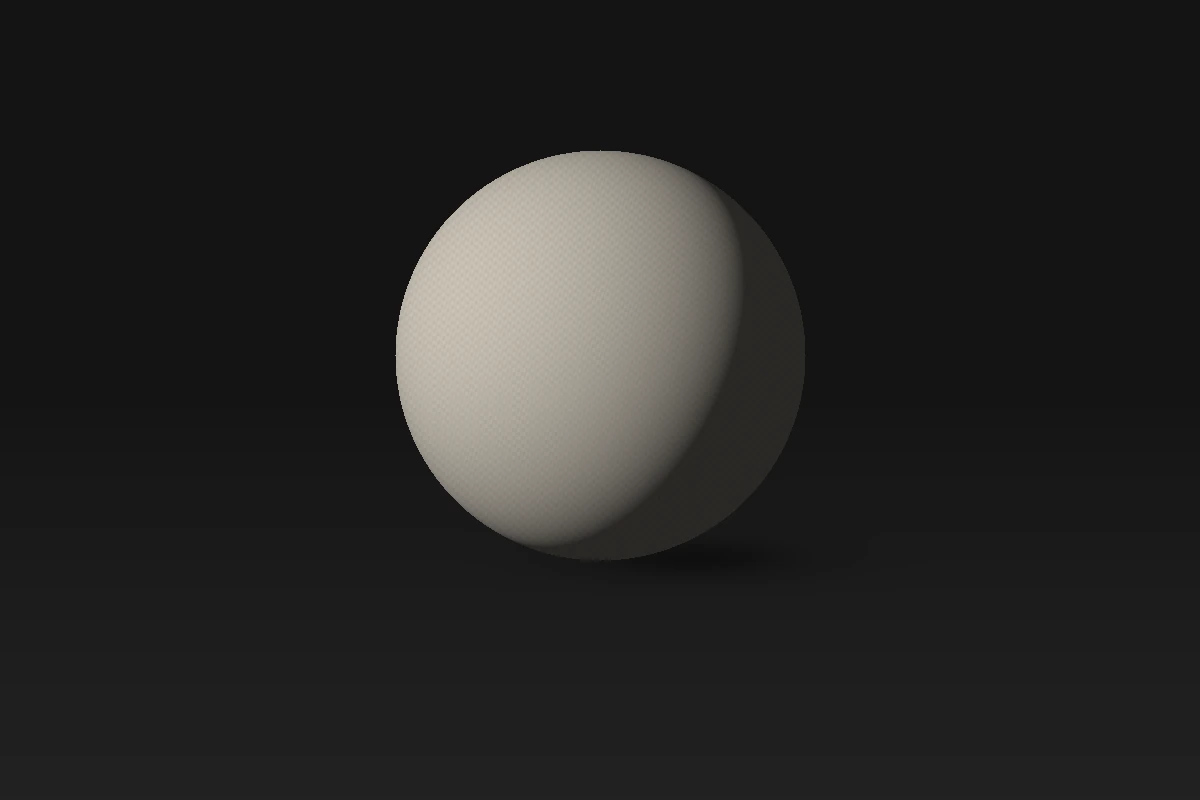
Left
The left surface receives more light; the right side is in self-shadow.
Direction changes volume, texture, and mood; there isn't one ideal direction for every story.
TWO / FOCUS LABS ACADEMY
TWO is the academy we’re creating to turn knowledge into capability. A place to understand, experiment and learn how to act when conditions change.
Start with the light ↓Academy is in development

01 / OBSERVE
Keep the camera and object fixed; move the light. Look at the image first, then read what changed.
01 / OBSERVE
What changes when you move the light without moving the subject?
The left surface receives more light; the right side is in self-shadow.
Direction changes volume, texture, and mood; there isn't one ideal direction for every story.
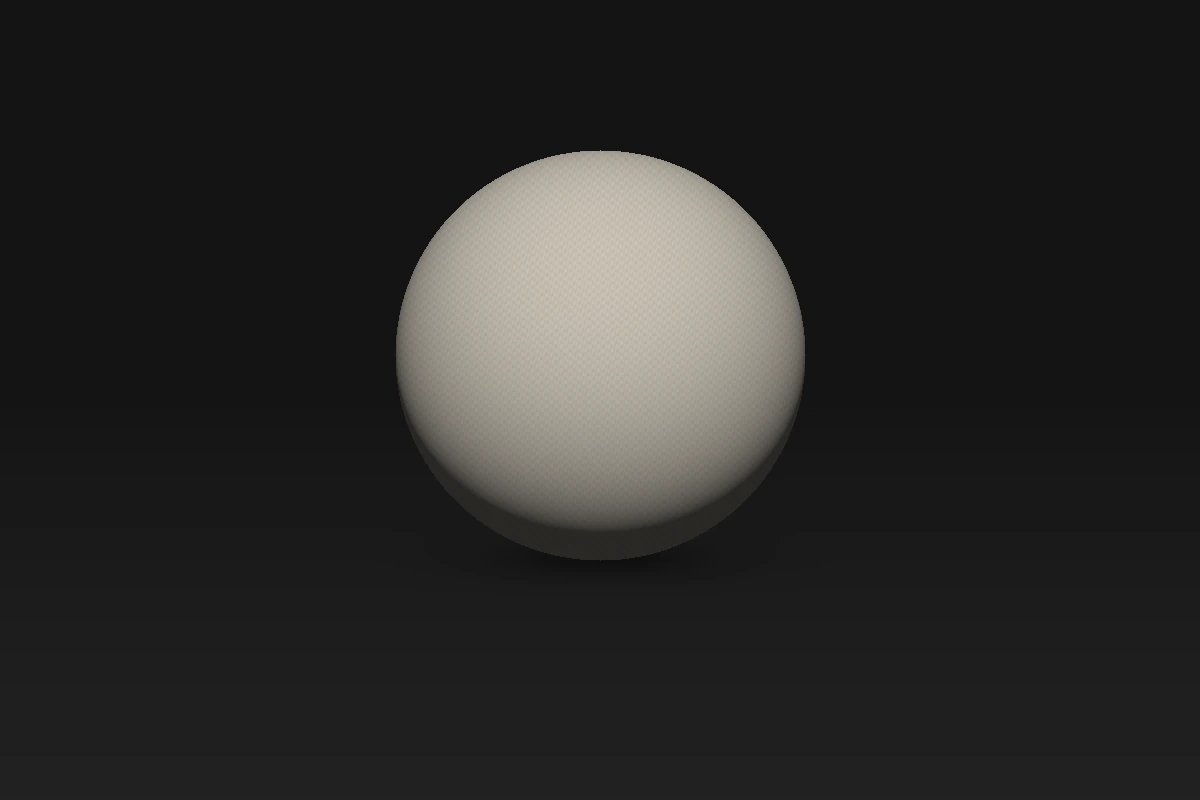
The surface facing the camera receives more light. The falloff toward the edges reveals its volume.
Direction changes volume, texture, and mood; there isn't one ideal direction for every story.
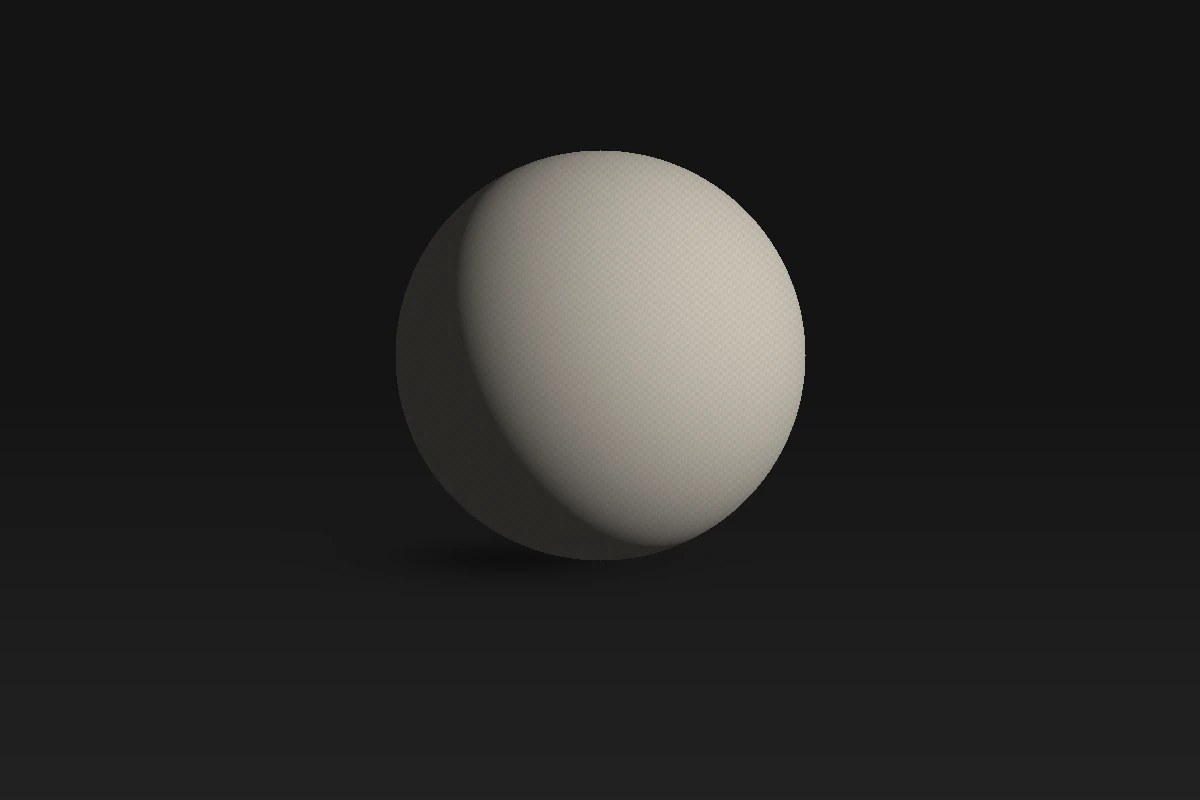
The right surface receives more light; the left side is in self-shadow.
Direction changes volume, texture, and mood; there isn't one ideal direction for every story.
02 / DECIDE
02 / DECIDE
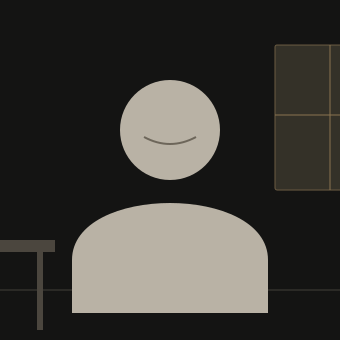
You're making a portrait. What do you want to communicate?
A possible approach
Move closer and choose light that supports the expression
A possible approach
Try side lighting and stronger shadows
A possible approach
Open the frame to place the person in their environment
Before choosing a technique, decide what you're trying to achieve.
A mug, a book or your hand will do. Six questions help you notice the light and choose one change. You can skip the answers and use the final pocket card.
03 / PRACTICE
Write what you notice. At the end you’ll get a card with your six notes and one change to try. There is no grade, automatic assessment or submission.
Question 1 of 6
Optional observation · Kept only while this page is openQuestion 2 of 6
Optional observation · Kept only while this page is openQuestion 3 of 6
Optional observation · Kept only while this page is openQuestion 4 of 6
Optional observation · Kept only while this page is openQuestion 5 of 6
Optional observation · Kept only while this page is openQuestion 6 of 6
Optional observation · Kept only while this page is openMove the object or your viewpoint slightly. Notice the change. Was it what you expected?
SOURCE → DIRECTION → QUALITY → EFFECT → OPPORTUNITY → FIRST CHANGE
Your observations are not sent to or stored on a server.
Optional timer; this is not a test.
STAY IN THE LOOP
Leave your email and we will let you know when there is meaningful news. No invented dates or unnecessary emails.